
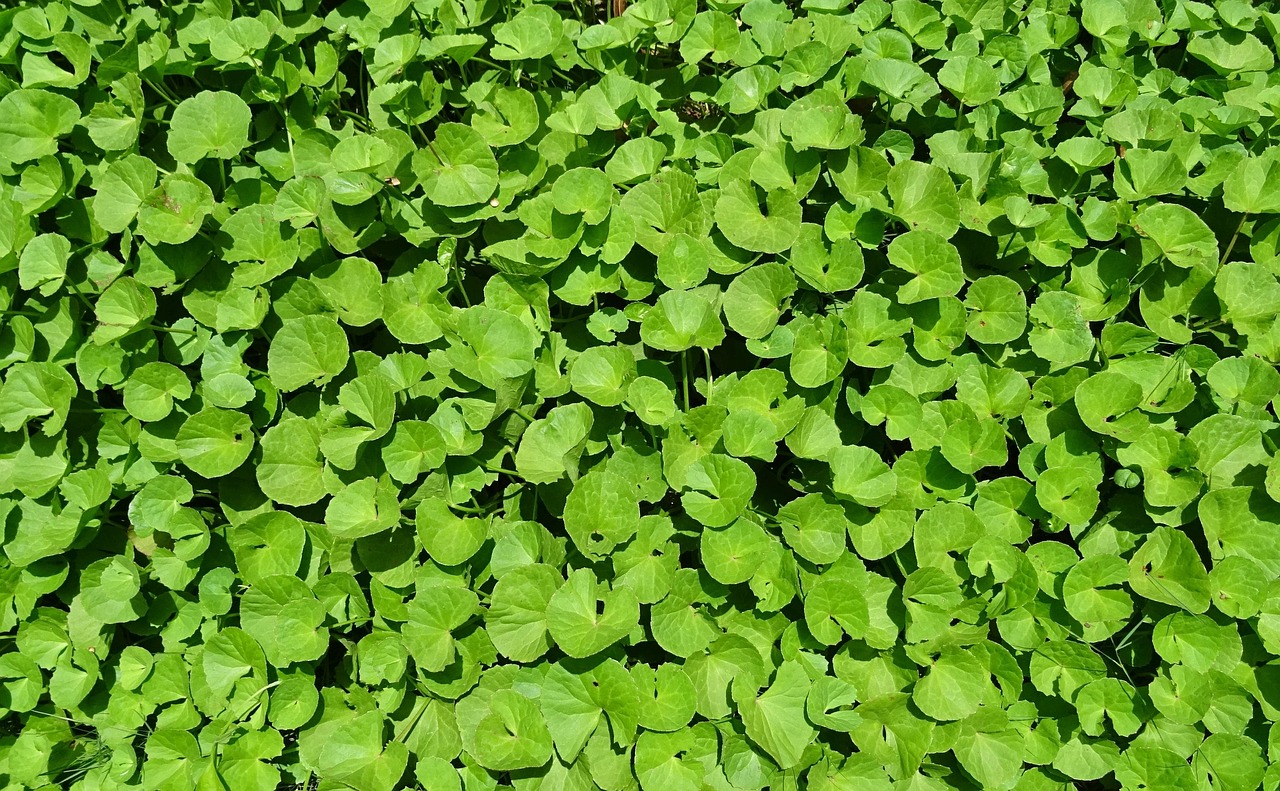
Exploring the Wisdom of Indigenous Medicine Practices: A Guide to Traditional Healing Techniques
Thank you for reading this post, don't forget to subscribe!
In a world that increasingly leans towards clinical medicine and technology, there is profound wisdom to be unearthed in the traditional healing techniques practiced by indigenous cultures. Such practices, developed over millennia, are not only rich in history but also in efficacy, often intertwining physical healing with spiritual understanding. Exploring the wisdom of indigenous medicine practices reveals insights that could complement and enhance contemporary healthcare approaches.
Introduction to Traditional Healing Techniques
Indigenous medicine practices refer to the healing traditions used by native populations around the world. These practices vary widely, influenced by local environments, cultural beliefs, and spiritual understandings. Despite these variations, common threads in indigenous medicine include the use of herbs, spiritual healing, manual therapies like massage, and the guidance of traditional healers such as shamans or medicine men and women.
The global interest in these practices has surged as patients and practitioners search for holistic approaches to health care that address body, mind, and spirit comprehensively. Exploring the wisdom of indigenous medicine practices not only helps conserve these traditions but also facilitates a better understanding of their potential roles in modern medicine.
Benefits of Indigenous Medicine Practices
-
Holistic Approach: Indigenous healing practices often look at the individual as a whole, considering mental, emotional, physical, and spiritual health.
-
Sustainability: Many indigenous practices make sustainable use of natural resources, gathering herbs and plants with respect to their environments.
-
Cultural Relevance: These practices are deeply rooted in the local culture and worldview, making them particularly resonant and effective for individuals within those communities.
-
Focus on Prevention: A significant focus is placed on disease prevention, often through dietary and lifestyle advice, tailored to maintain the balance and harmony of the body.
Key Techniques in Indigenous Medicine
Herbal Medicine: Herbalism is perhaps the most widespread form of indigenous therapy. Plants are used not only for their direct pharmacological effects on the body but also for their spiritual aspects. For example, the use of sage for cleansing and purifying the spirit in Native American practices.
Spiritual Healing: In many traditions, health issues are seen as not merely physical but spiritual in origin. Techniques like meditation, prayer, and ritual are common, aiming to heal the spirit as well as the body.
Physical Therapies: Manual techniques such as massage, bone setting, and even sauna-like purification rituals are common. These methods help in relieving physical pain, improving circulation, and detoxifying the body.
Traditional Diagnostics: Unlike Western medicine, which relies heavily on technology for diagnosis, indigenous practices often involve observation and subtle cues from the patient’s environment and history to determine the root cause of an illness.
Integration with Modern Medicine
The integration of indigenous healing methods with Western medicine could provide a more comprehensive approach to healthcare. This is evident in practices such as integrative medicine clinics that mix traditional Chinese medicine, including acupuncture and herbology, with Western medical practices.
FAQs about Exploring the Wisdom of Indigenous Medicine Practices
Q1: Are indigenous medicine practices safe?
A: While generally safe, it is crucial to approach indigenous healing with the guidance of knowledgeable practitioners and in conjunction with conventional medical advice, especially for serious conditions.
Q2: How can I find a reputable indigenous medicine practitioner?
A: Look for practitioners with certifications (if available), strong community endorsements, and transparent practices. Academic backgrounds in ethnomedicine or related fields may also be indicative of reliable practitioners.
Q3: Can these practices be used alongside modern medical treatments?
A: Yes, many indigenous practices are used as complementary therapies alongside conventional treatments. However, always consult healthcare professionals to ensure safety and compatibility.
Q4: What are the ethical considerations when exploring indigenous medicine?
A: It’s essential to approach indigenous medicine with respect for its cultural significance and intellectual property rights. Ethical engagement involves recognizing these practices as integral to cultural heritage and ensuring they are not exploited.
Conclusion
Exploring the wisdom of indigenous medicine practices offers a fascinating glimpse into the holistic, sustainable, and culturally integrated approaches to health that have sustained various communities across the globe for generations. While modern medicine has made monumental strides in healthcare, the integration of traditional healing techniques provides a balanced, thorough perspective on wellness that is truly beneficial for the mind, body, and spirit. Whether used in conjunction with conventional medicine or alone, these practices can offer meaningful alternatives or complements in your health and wellness journey. Embracing the wisdom of traditional healing techniques not only respects these ancient practices but also broadens the horizons of current medical practices with time-tested knowledge.