
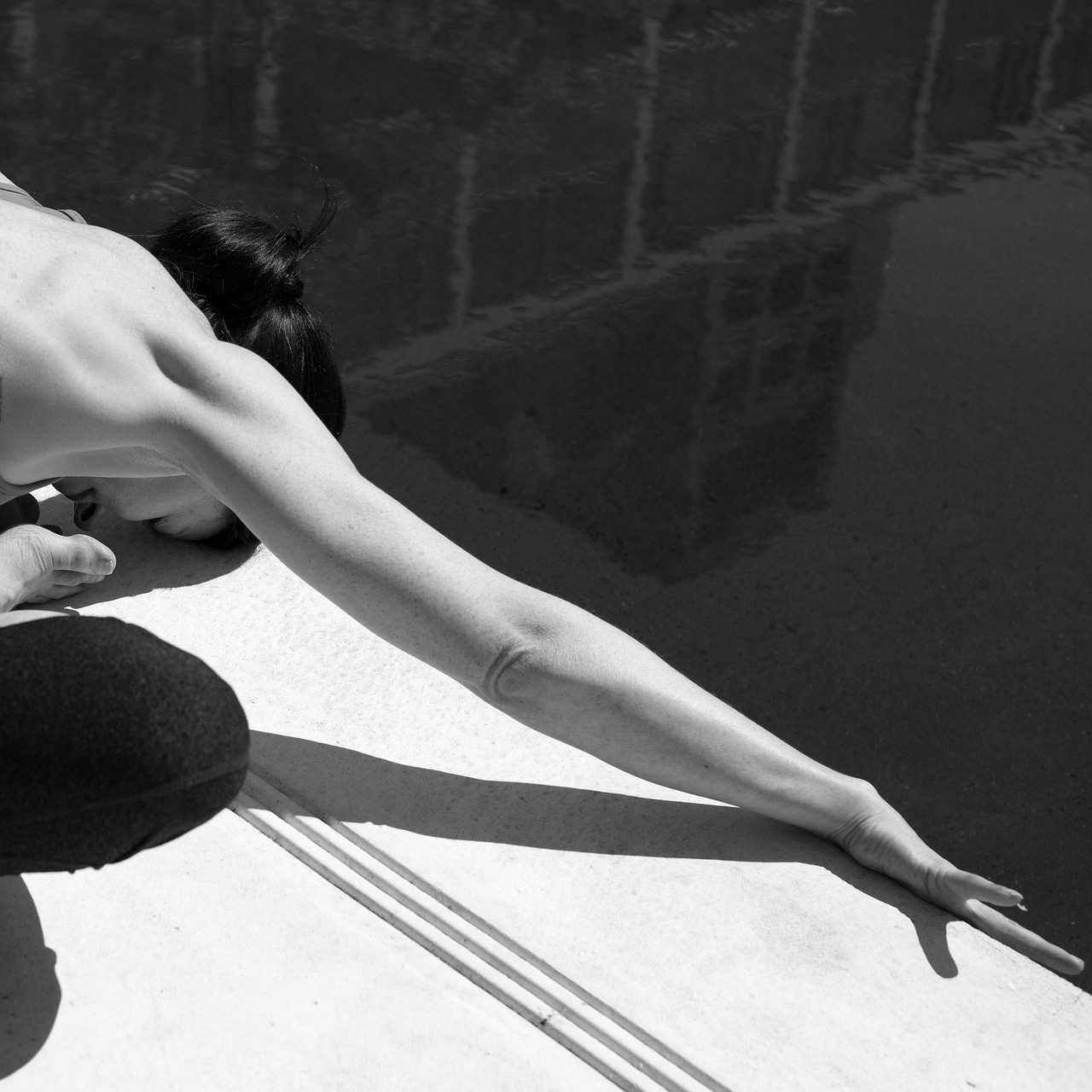
Unlocking Serenity: Explore Ancient Breathing Exercises for Modern Stress Relief
In our fast-paced, always-connected world, stress has become a common currency. The constant demands of work, family, and digital life have increased our stress levels, leaving many of us feeling overwhelmed and burnt out. But what if the ancient wisdom of our forebears could help us? Unlocking Serenity: Explore Ancient Breathing Exercises for Modern Stress Relief is not just a noble pursuit; it’s a necessary one. Ancient breathing exercises offer a surprisingly powerful remedy to our modern-day stress epidemic. These simple yet profound practices, rooted in centuries-old traditions, can be the key to maintaining peace in our chaotic lives.
Thank you for reading this post, don't forget to subscribe!
The Essence and Utility of Ancient Breathing Exercises
Breathing exercises have been a cornerstone in various ancient cultures including India, China, and Greece, often embedded within broader disciplines like yoga, meditation, and martial arts. These exercises are fundamentally focused on controlling breath to influence the state of the mind and body. Breath, which is so vital yet so often overlooked, has the potential to act as a mediator between our physical health and mental well-being.
One of the core beliefs underlying these practices is that regulating breathing can influence the autonomic nervous system, which controls involuntary body responses such as heart rate and digestion. By mastering the breath, practitioners believed they could master their bodies and calm their minds.
How Ancient Breathing Techniques Can Combat Modern Stress
-
Deep Breathing: Also known as diaphragmatic breathing, deep breathing encourages full oxygen exchange and can slow the heartbeat and stabilize or lower blood pressure. This practice is a particularly effective stress reliever because it activates the body’s relaxation response. By breathing deeply through the abdomen, stresses begin to diminish, showcasing ancient techniques’ effectiveness in providing modern stress relief.
-
Alternate Nostril Breathing (Nadi Shodhana): A staple in yoga practice, this technique involves closing off one nostril at a time to breathe through the other. The practice is said to harmonize the two hemispheres of the brain, resulting in balanced mental and physical energy and a calm, steady mind.
-
The 4-7-8 Method: Developed by Dr. Andrew Weil, this technique is inspired by the ancient yogic technique called Pranayama. To practice it, you simply breathe in for four seconds, hold your breath for seven seconds, and exhale for eight seconds. This method acts as a natural tranquilizer for the nervous system, reducing anxiety and helping to induce sleep.
Implementing These Practices Into Daily Life
Unlocking serenity through these ancient methods need not be time-consuming or complex. Here are straightforward ways to integrate them into your daily routine for modern stress relief:
-
Morning Routine: Start your day with a five-minute deep breathing session. This sets a calm tone for the day ahead and helps reduce anticipatory stress.
-
During Work Breaks: Taking short breaks to practice something simple like the 4-7-8 technique can considerably lower the day’s stress levels, promoting productivity and focus.
-
Before Sleep: Engage in alternate nostril breathing to balance your mind and encourage a restful sleep, proving that ancient practices can indeed translate into significant modern-day benefits.
FAQs on Unlocking Serenity
Q1: How long should I practice these breathing exercises each day for effective stress relief?
Ideally, incorporating around 10-15 minutes of breathwork into your daily routine can lead to noticeable benefits. However, even a few minutes can make a difference in your day-to-day stress levels.
Q2: Are there any risks associated with these breathing exercises?
Breathing exercises are generally safe for most people. However, if you have any respiratory issues or other health concerns, it’s best to consult with a healthcare professional before starting any new practice.
Q3: Can these breathing techniques help with severe anxiety or depression?
While ancient breathing exercises are an excellent tool for stress management and have been shown to improve symptoms of anxiety and depression, they are not a substitute for professional medical treatment. Always consider them as a complementary approach.
Conclusion
Unlocking Serenity: Explore Ancient Breathing Exercises for Modern Stress Relief is more than just rediscovering old wisdom; it’s about adapting timeless tools to fit our modern needs. These breathing techniques offer a practical, accessible solution to reduce our stress and improve our health and well-being. Ancient practices, though developed in a different era, have enduring relevance that can provide profound benefits in any age, including our digital age. By integrating these breathing exercises into your daily routine, you can embrace a calmer, more centered life, effectively bridging the gap between ancient serenity and modern chaos.